
Table of contents
Definition of agile project management
Agile project management is a modern, flexible approach to managing projects. Instead of planning everything in detail from the start, agile project management allows for changes and adjustments as the project progresses. It’s all about being adaptable, quick to respond and focused on delivering value to the customer. This method is often used in software development, but it’s becoming popular in other fields too.
Agile project management operates on the principle of iterative progress. This means that work is divided into small manageable units, known as ‘sprints’, which are typically completed in a set timeframe. At the end of each sprint, the team reviews their work, learns from their experiences, and plans the next steps. This continuous cycle of planning, executing, reviewing, and adapting not only ensures that the project stays on track, but also that it evolves in line with customer needs and market trends. It’s a dynamic and collaborative approach that encourages team members to communicate effectively, solve problems creatively, and strive for continuous improvement.
How does agile project management work?
Agile project management works by breaking down large marketing projects into smaller, manageable tasks called ‘sprints’. These sprints are short, time-boxed periods where specific tasks are completed. The progress is continuously evaluated and adjusted in regular meetings known as ‘stand-ups’. This approach allows for greater flexibility and adaptability to changes. It encourages collaboration, feedback, and rapid iterations, enabling marketers to respond quickly to changes in the market, customer preferences, or business goals. The end result is a more efficient and effective marketing campaign that is more closely aligned with customer needs and business objectives.
An example of agile project management
Growth Method, a fictional SaaS company, is planning to launch a new feature for their software. The feature is designed to help users better track their marketing campaigns. The project is divided into several stages, following the principles of agile project management.
-
Project Planning: The team at Growth Method starts by defining the project’s goals and objectives. They want to create a feature that is user-friendly, efficient, and effective in tracking marketing campaigns.
-
Product Backlog Creation: The team creates a product backlog, which is a list of all the tasks that need to be completed for the project. This includes designing the feature, coding it, testing it, and finally, launching it.
-
Sprint Planning: The team then divides the product backlog into smaller, manageable parts called sprints. Each sprint lasts for two weeks. The team decides on the tasks to be completed in the first sprint, such as designing the user interface.
-
Daily Stand-ups: Every day, the team has a short meeting where they discuss what they did the previous day, what they plan to do today, and any obstacles they are facing. This helps keep everyone on the same page and quickly resolve any issues.
-
Sprint Review: At the end of the two-week sprint, the team reviews their work. They check if they have achieved the goals set for the sprint and discuss what went well and what could be improved.
-
Sprint Retrospective: The team then reflects on the process of the sprint. They discuss how they can improve their work processes for the next sprint.
-
Next Sprint Planning: Based on the review and retrospective, the team plans the next sprint. They choose the tasks from the product backlog that will be tackled next.
-
Product Increment: After several sprints, the team has a working version of the new feature. They test it thoroughly to ensure it works as expected.
-
Product Launch: Once the feature is tested and refined, it is launched to the users. The team monitors user feedback and makes any necessary adjustments.
This cycle continues until the project is completed. The agile approach allows Growth Method to adapt to changes quickly, deliver value to users continuously, and improve their work processes regularly.
Questions to ask yourself
As a modern growth marketing or agile marketing professional, ask yourself the following questions with regard to agile project management:
-
What are the key objectives of this agile project and how do they align with our overall growth marketing strategy?
-
How can we break down our project into smaller, manageable tasks to ensure we can adapt and respond quickly to changes?
-
What metrics and key performance indicators (KPIs) should we track to measure the success of our agile project?
-
How can we foster a culture of continuous learning and improvement within our team to support our agile project management approach?
-
What tools and technologies can we leverage to facilitate effective communication and collaboration in our agile project?
About Growth Method
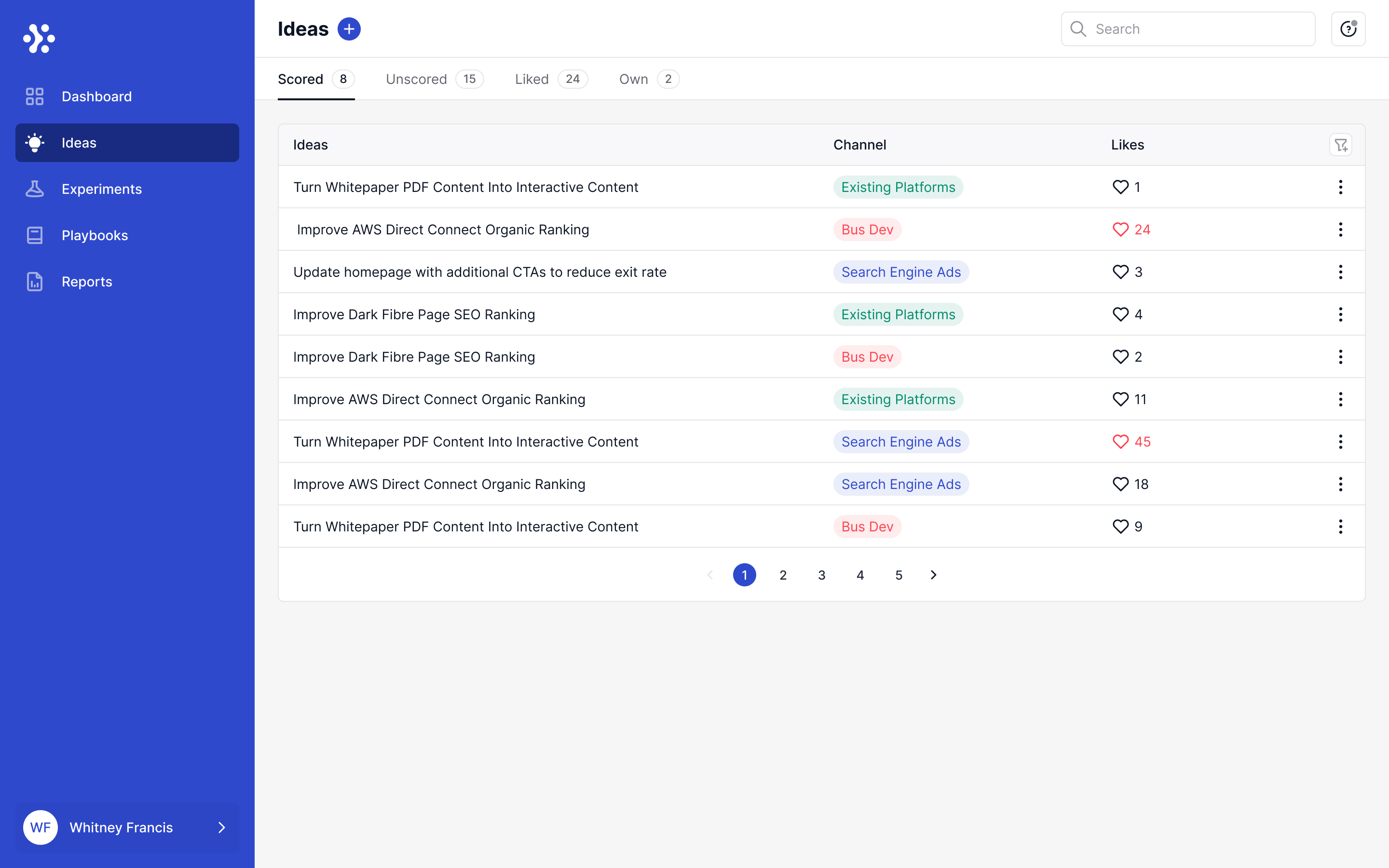
Growth Method is the agentic marketing platform for B2B teams. Campaigns run through five agile stages, from Backlog to Complete, with agile best practices such as week-long planning built in.
Get started: first month free, no credit card required. Or learn more on our homepage and connect with me on LinkedIn.