
Table of contents
Definition of velocity in agile
Velocity in agile is a measure that helps teams understand how much work they can complete in a certain timeframe, often referred to as a ‘sprint’. It’s calculated by adding up the estimates of the tasks completed in the previous sprint. This gives teams a clear idea of their work pace, helping them plan future sprints more accurately and efficiently.
Velocity in agile is not just about speed. It’s also about direction and focus. It’s crucial to remember that a high velocity doesn’t necessarily mean a team is performing well. If a team is completing many tasks but they’re not the right tasks, or they’re not completed to a high standard, then the velocity becomes less meaningful. Therefore, it’s important to balance velocity with quality and strategic alignment. This ensures that the team is not only working quickly, but also working on the right things and doing them well.
How does velocity in agile work?
Velocity in agile works by measuring the amount of work a marketing team can accomplish in a specific time frame, typically during a sprint. This metric helps marketers to predict how quickly they can deliver marketing campaigns or complete tasks. It’s calculated by adding up the estimates of the work items (like user stories or tasks) that have been completed in the sprint. By tracking velocity, marketers can better plan their future sprints, manage workload, and set realistic expectations for stakeholders. For a more detailed view of how this is visualised, you can refer to our article on agile velocity charts.
An example of velocity in agile
Growth Method, a SaaS company, has a development team of five members. Over the course of a two-week sprint, the team completes 10 user stories, each with an average story point value of 3. Therefore, the team’s velocity for this sprint is 30 story points.
Questions to ask yourself
As a modern growth marketing or agile marketing professional, ask yourself the following questions with regard to velocity in agile:
-
Am I setting realistic and achievable goals for my team to maintain a steady velocity in our agile marketing approach?
-
Are we measuring our velocity accurately and consistently, using it to predict future performance and make necessary adjustments?
-
Is our team’s velocity sustainable over the long term, or are we risking burnout by pushing too hard?
-
Are we using our velocity data to identify areas of improvement and implement changes effectively?
-
Are we balancing speed with quality, ensuring that our high velocity doesn’t compromise the quality of our marketing efforts?
About Growth Method
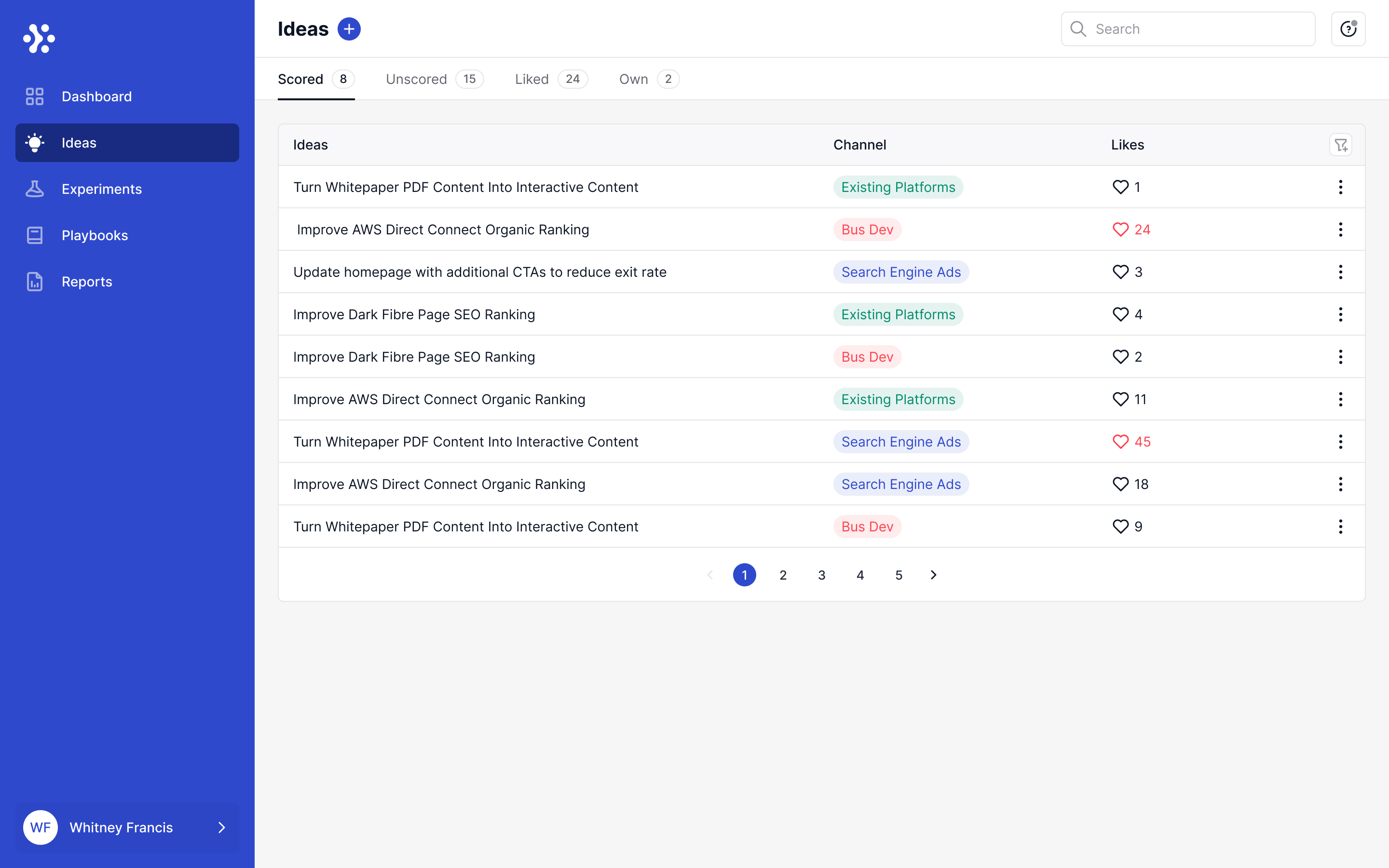
Growth Method is the agentic marketing platform for B2B teams. Campaigns run through five stages, from Backlog to Complete, so velocity is simply how many campaigns your team completes.
Get started: first month free, no credit card required. Or learn more on our homepage and connect with me on LinkedIn.