
Table of contents
Definition of inbound marketing channels
Inbound marketing channels are the routes that bring potential customers to you, rather than you interrupting them. Inbound channels include SEO, blog content, social media, email newsletters, webinars and video, and they work by publishing useful content that people find when they are already looking for an answer.
“Inbound requires a fundamental realization that you need to earn attention instead of renting it, and that’s a hard philosophical shift when your organization is hardwired to keep running the same playbook for years.”
Mike Volpe, CMO at HubSpot
Inbound marketing channels also encompass email newsletters, webinars, and SEO (Search Engine Optimisation). Email newsletters can be a powerful tool for nurturing leads, providing them with regular, valuable content directly to their inbox. Webinars offer an interactive way to engage with your audience, providing them with in-depth knowledge about a particular topic. SEO, on the other hand, is all about optimising your online content to rank higher in search engine results, making it easier for potential customers to find you. Retargeting can also complement your inbound marketing strategy by re-engaging visitors who have interacted with your content. Remember, the key to successful inbound marketing is to consistently deliver content that is valuable, relevant, and tailored to your audience’s needs.
Inbound marketing channels compared
The channels above behave very differently in practice. The table compares the seven most common inbound marketing channels on speed, cost and effort. The ranges are typical, not benchmarks, so treat them as a starting point for your own tests.
| Channel | What it is | Best for | Time to results | Cost | Effort |
|---|---|---|---|---|---|
| SEO | Ranking in search results for the questions your buyers ask | Capturing existing demand | Slow (months) | Low to medium | Medium, ongoing |
| Blog content | Articles that answer buyer questions in depth | Building trust and search visibility | Slow (months) | Low | Medium |
| Social media | Posting useful content where your audience already spends time | Reach and brand awareness | Medium | Low | High, near daily |
| Email newsletters | Regular emails to people who opted in | Nurturing leads and repeat visits | Medium | Low | Medium |
| Webinars | Live or recorded sessions that teach one topic | Educating warm leads and capturing contact details | Medium | Low to medium | High per event |
| Video / YouTube | Tutorials, explainers and talks | Explaining complex products | Slow to medium | Medium | High |
| Referral / word of mouth | Customers and peers recommending you | Trust and low-cost leads | Slow and unpredictable | Low | Low to medium |
If you are choosing between them, our marketing channel strategy guide explains how to commit to one or two, and the guide to B2B marketing channels covers the wider list. To see how inbound fits the whole buyer’s journey, read the inbound methodology.
An example of inbound marketing channels
Growth Method could utilise a blog on their website where they regularly post articles about the benefits of their software, tips for using it effectively, and industry news. This would attract potential customers who are searching for this type of information online, and once they land on the blog, they would be more likely to explore the rest of the website and consider purchasing the software.
How do inbound marketing channels work?
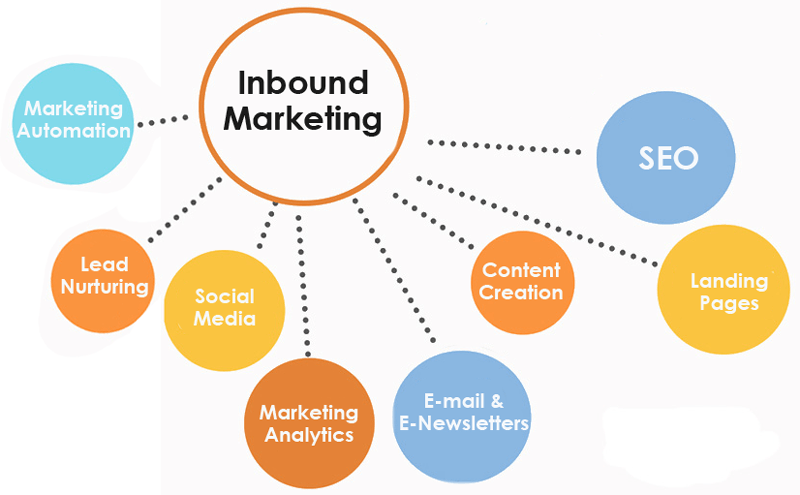
Inbound marketing channels work by attracting potential customers to a business through the creation of engaging and relevant content. These channels, which include blogs, social media, SEO, and email marketing, aim to provide value to the audience, fostering a relationship of trust and positioning the business as a reliable source of information. The goal is to naturally draw consumers to the business when they are actively seeking information or solutions, rather than pushing out interruptive advertisements. Over time, this strategy helps to generate quality leads, increase conversions, and build customer loyalty.
People don’t search for you. They ask questions. If you want to get found, you better offer answers.
Lee Odden
Questions to ask yourself
As a modern growth marketing or agile marketing professional, ask yourself the following questions with regard to inbound marketing channels:
-
What are the key inbound marketing channels that my target audience uses most frequently?
-
How can I optimise my content to increase its visibility and engagement on these channels?
-
What metrics should I track to measure the success of my inbound marketing efforts?
-
How can I use these channels to nurture leads and convert them into customers?
-
What strategies can I implement to continuously improve and adapt my inbound marketing efforts based on data and feedback?
Instead of interrupting, work on attracting.
Dharmesh Shah, HubSpot
About Growth Method
Inbound channels only pay off if you know which ones move your numbers, and most teams guess. Our view: stop copying someone else’s channel mix and test your own. Treat each inbound channel as a campaign. Plan the bet, launch it with the before-metrics already recorded, analyse what changed in your first-party data, then repeat with the next channel.
Growth Method gives B2B marketing teams AI agents that run their campaigns: plan, launch and analyse, from live data, against one goal. It is built for people and agents, so the testing keeps running while your team does the work only a human can.
We are on-track to deliver a 43% increase in inbound leads this year. There is no doubt the adoption of Growth Method is the primary driver behind these results.
Laura Perrott, Colt Technology Services
Get started and find out which of your inbound channels earns its place.
Frequently asked questions
What are inbound channels?
Inbound channels are the routes that bring potential customers to you, rather than you going to them. Examples include SEO, blog content, email newsletters, webinars, video and word of mouth. Each one works by publishing something useful that people find when they are already looking for an answer. Inbound channels and inbound marketing channels mean the same thing.
What are the inbound marketing channels?
The main inbound marketing channels are SEO, blog content, social media, email newsletters, webinars, video and referral or word of mouth. Most B2B teams get the best return by picking one or two and doing them consistently, rather than spreading effort across all of them. The comparison table above shows how they differ on speed, cost and effort.
Is SEO an inbound marketing channel?
Yes. SEO is one of the core inbound marketing channels, because it brings people to your content when they search for answers, rather than interrupting them. It is slow to start and relatively low-cost to run, so it suits teams that can publish consistently for months and want traffic that keeps compounding.
What is the difference between inbound and outbound marketing channels?
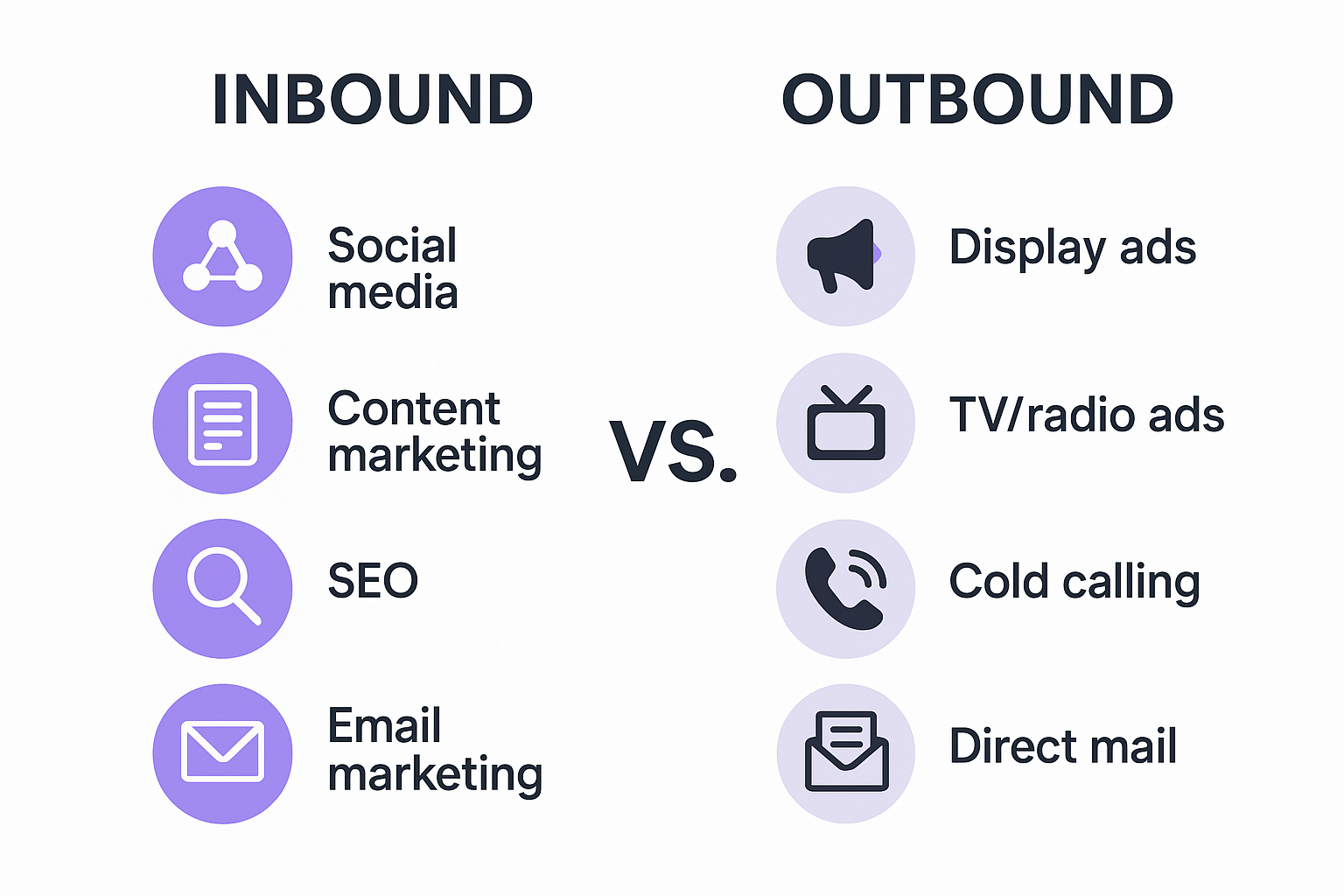
Inbound channels attract people who are already looking, using content such as articles, search results and newsletters. Outbound channels push a message to people who did not ask for it, such as cold email, paid ads and cold calling. Inbound tends to be slower to build but compounds, while outbound is faster and stops when the spend does.