
Table of contents
Definition of the highest paid person’s opinion
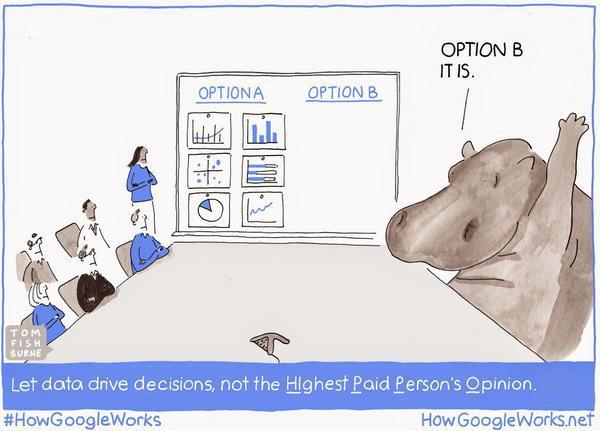
The highest paid person’s opinion (HiPPO) is a decision-making pattern where the most senior or highest-earning person’s view overrides data and other perspectives, regardless of whether it’s correct. Relying on the HiPPO can lead to biased decisions and crowd out better ideas from less senior team members, so it’s essential to balance authority with data-driven analysis and diverse perspectives. For the full picture of how this plays out in growth and marketing teams, see HiPPO Effect in Marketing.
An example of the highest paid person’s opinion
Here is an example of how it works:
At Growth Method, we believe that our cutting-edge SaaS platform is truly revolutionising the way businesses approach growth and scalability. Our AI-driven analytics and automation tools empower companies to make data-driven decisions, optimise their marketing strategies, and ultimately achieve unprecedented levels of success. As the highest paid person in the company, I am confident that our commitment to innovation and customer satisfaction will continue to propel us to new heights in the industry.
How does the highest paid person’s opinion work?
The highest paid person’s opinion works by leveraging the influence and authority of the top earner in a company or industry to shape marketing strategies and decision-making. Marketers pay close attention to the opinions and insights of these high earners, as they often possess valuable experience, expertise, and a deep understanding of the market. By incorporating the highest paid person’s opinion into marketing campaigns and initiatives, marketers can capitalise on their credibility and success, potentially leading to increased consumer trust, brand awareness, and ultimately, higher sales and revenue. Marketing teams that want to avoid over-relying on the HiPPO typically turn to a structured prioritisation framework instead, so ideas are scored on the same criteria regardless of who proposed them.
Expert opinions and perspectives
Here are how one of the world’s best marketing and growth professionals thinks about the highest paid person’s opinion.
- “In marketing, the highest paid person’s opinion is worth less than the lowest paid person’s data.” - David Ogilvy
Questions to ask yourself
As a modern growth marketing or agile marketing professional, ask yourself the following questions with regard to the highest paid person’s opinion:
-
Is the highest paid person’s opinion based on data and relevant experience, or is it influenced by personal biases and assumptions?
-
How can I challenge or validate the highest paid person’s opinion using data-driven insights and market research?
-
Are there alternative perspectives or ideas that have not been considered due to the influence of the highest paid person’s opinion?
-
How can I ensure that the decision-making process remains collaborative and inclusive, despite the presence of a strong opinion from the highest paid person?
-
What are the potential risks and consequences of following the highest paid person’s opinion, and how can I mitigate them through agile and growth marketing strategies?
Frequently asked questions
What does HiPPO stand for?
HiPPO stands for “Highest Paid Person’s Opinion” — a decision-making pattern where the most senior or highest-earning person’s view drives a decision, regardless of whether it’s backed by data.
Why is the HiPPO effect a problem in marketing?
The HiPPO effect is a problem because it replaces data-driven analysis with seniority and gut feeling, increasing the risk of biased decisions and crowding out better ideas from less senior team members.
How do you avoid HiPPO-driven decisions?
Avoid HiPPO-driven decisions by adopting a prioritisation framework, such as ICE, RICE or PIE, that scores every idea on the same criteria regardless of who proposed it, so decisions are made on evidence rather than authority.
What’s the difference between this page and the HiPPO Effect article?
This page defines the highest paid person’s opinion (HiPPO) concept itself. For a deeper dive into its origins, why it damages growth, and how to build a data-driven culture that avoids it, see HiPPO Effect in Marketing.
More questions? Connect with me on LinkedIn, or get started: first month free, no credit card required.