
Table of contents
Definition of AARRR
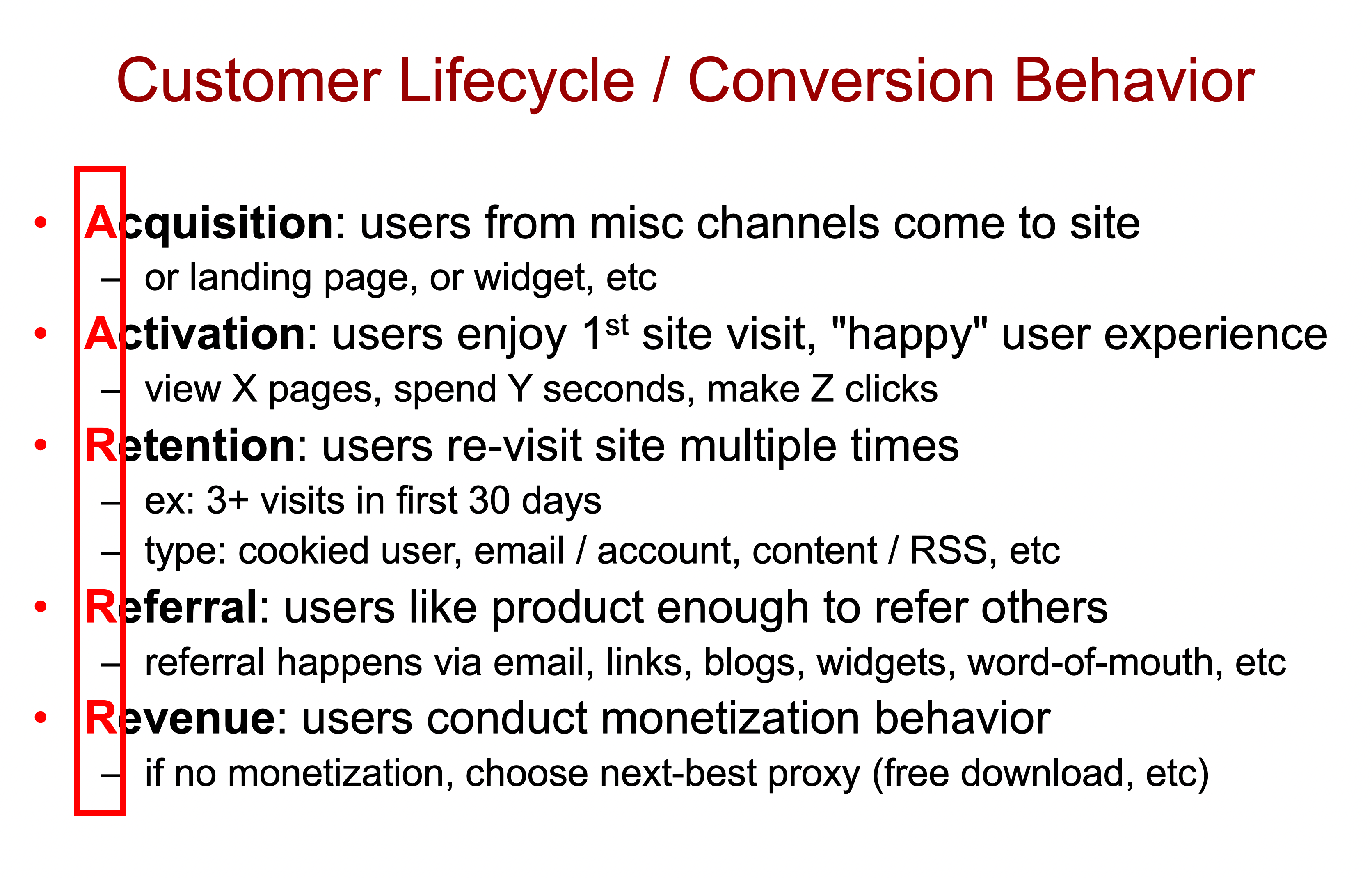
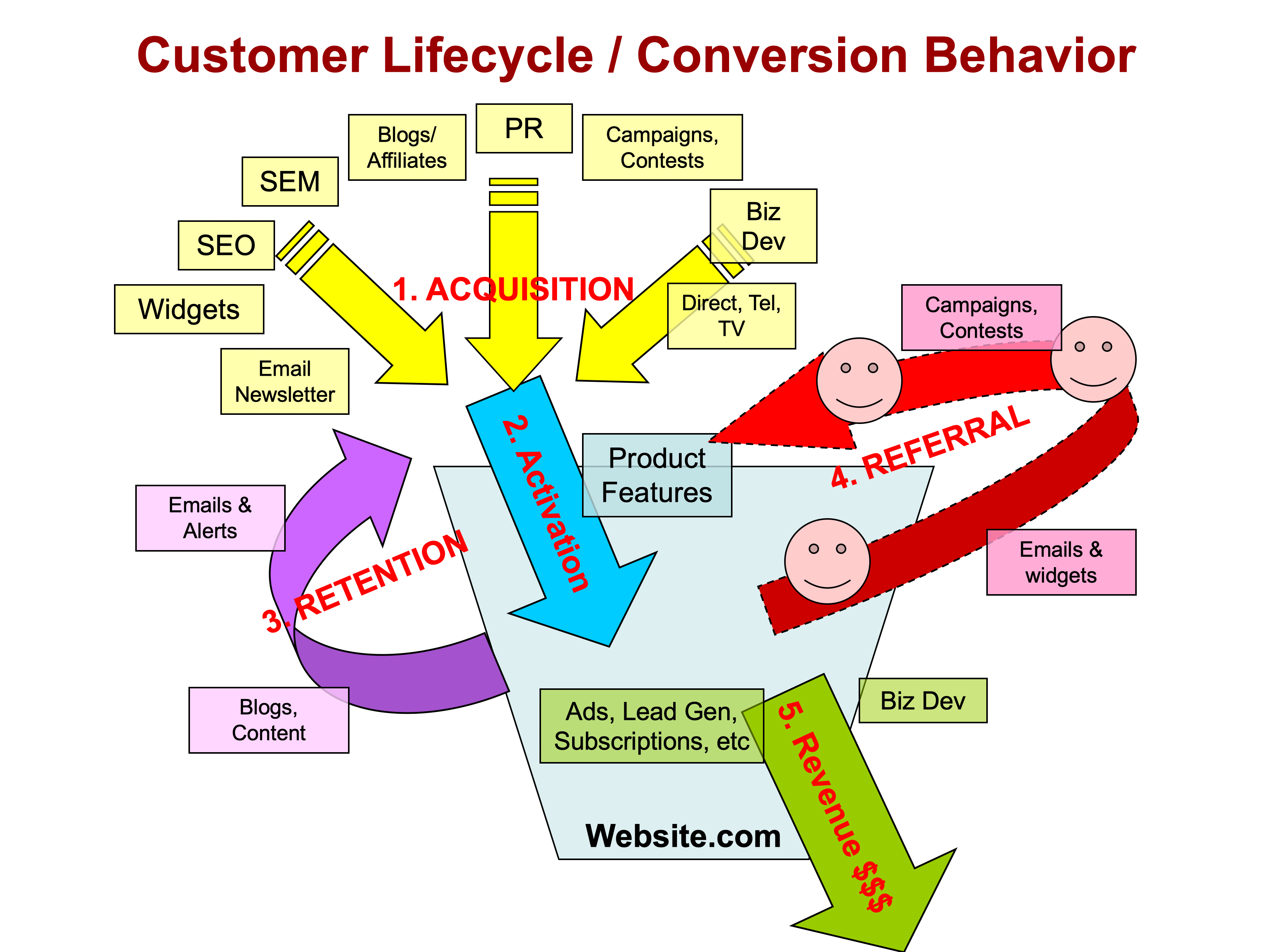
AARRR - also known as Pirate Metrics - is a framework of five customer lifecycle metrics: Acquisition, Activation, Retention, Referral, and Revenue. Investor Dave McClure coined the term in 2007 as a simple way for startups to structure their customer data and track a user’s journey from first contact through to becoming a loyal, paying customer.
Acquisition is about attracting new users to your product or service. Activation involves ensuring that these users have a positive first experience. Retention focuses on keeping these users engaged over time. Referral is about turning your users into advocates who bring in new users. Finally, Revenue is about monetising these users. By understanding and optimising these five stages, marketers can drive growth and profitability. If you’re ready to move beyond linear funnels and explore a compounding approach to growth, learn more about Growth Loops here.
AARRR vs other growth frameworks
| Framework | What it measures | Best used for |
|---|---|---|
| AARRR (Pirate Metrics) | Five customer lifecycle stages: Acquisition, Activation, Retention, Referral, Revenue | Diagnosing where users drop off across the full customer lifecycle |
| Customer lifecycle funnel | A linear path from awareness to purchase | Simple, one-directional conversion tracking |
| North Star Metric | One single metric that captures the core value your product delivers | Aligning a whole team around one outcome, rather than five separate stage metrics |
| Growth loops | Compounding cycles where retained and referred users feed back into acquisition | Modelling sustainable, self-reinforcing growth rather than a one-time funnel |
An example of AARRR
Here is an example of how it works:
Acquisition: Growth Method runs a targeted social media campaign to attract potential customers. They offer a free trial of their software to entice people to sign up.
Activation: Once a potential customer signs up for the free trial, Growth Method sends them an engaging welcome email. This email includes a step-by-step guide on how to use the software, encouraging the user to start using it.
Retention: To keep customers engaged and using the software, Growth Method sends regular emails with tips and tricks, updates on new features, and personalised suggestions based on the user’s activity. They also offer excellent customer service to resolve any issues quickly.
Referral: Growth Method introduces a referral programme where existing customers can earn rewards for referring new customers. This encourages users to share their positive experiences with others.
Revenue: Finally, Growth Method converts free trial users into paying customers by demonstrating the value of their software. They offer various pricing plans to suit different needs and budgets, and they send timely reminders towards the end of the free trial period.
How does AARRR work?
AARRR works by guiding marketers through five key metrics: Acquisition, Activation, Retention, Referral, and Revenue. This framework helps marketers understand the customer journey and optimize their marketing strategies. Acquisition involves attracting new users to the product or service. Activation focuses on ensuring the user’s first experience is positive. Retention aims to keep users engaged and returning. Referral encourages satisfied users to recommend the product or service to others. Finally, Revenue focuses on monetizing the user base to generate income. By analyzing these five stages, marketers can identify strengths, weaknesses, and opportunities in their marketing strategy.
Expert opinions and perspectives
Here are how some of the world’s best marketing and growth professionals, and companies, think about AARRR.
-
“It’s about how to develop a model of your customer behavior, and then use conversion metrics / web analytics to assist your internet marketing & product management efforts.” - Dave McClure Link
-
“Startup metrics for pirates: AARRR! Acquisition, Activation, Retention, Referral, Revenue. Focus, prioritise, and improve these 5 key metrics, and you will be successful in growing your business.” - Dave McClure
Questions to ask yourself
As a modern growth marketing or agile marketing professional, ask yourself the following questions with regard to AARRR:
-
How can I attract more users to my product or service?
-
What strategies can I implement to increase the activation rate of new users?
-
How can I encourage users to return and engage with my product or service regularly?
-
What can I do to convert engaged users into paying customers?
-
How can I inspire customers to refer my product or service to others?
Additional reading
Here are some related articles and further reading around AARRR that you may find helpful.
-
Dave McClure - “Startup Metrics for Pirates: AARRR!” - Slideshare Link
-
Ben Yoskovitz and Alistair Croll - “Lean Analytics: Use Data to Build a Better Startup Faster” - Amazon Link
-
Gabriel Weinberg and Justin Mares - “Traction: How Any Startup Can Achieve Explosive Customer Growth” - Amazon Link
Once you can see which AARRR stage is underperforming, the next step is deciding what to fix first - our guide to prioritisation frameworks covers ICE, RICE, PIE and more for ranking growth ideas.
About Growth Method
AARRR is a reminder that growth isn’t one number, it’s five - and most teams only ever look closely at one or two of them. Growth Method is the agentic marketing platform for B2B teams: it connects to your analytics stack, tracks each stage of the customer lifecycle, and helps your team (and its AI agents) plan, launch and analyse campaigns against whichever AARRR stage is actually holding growth back, rather than guessing.
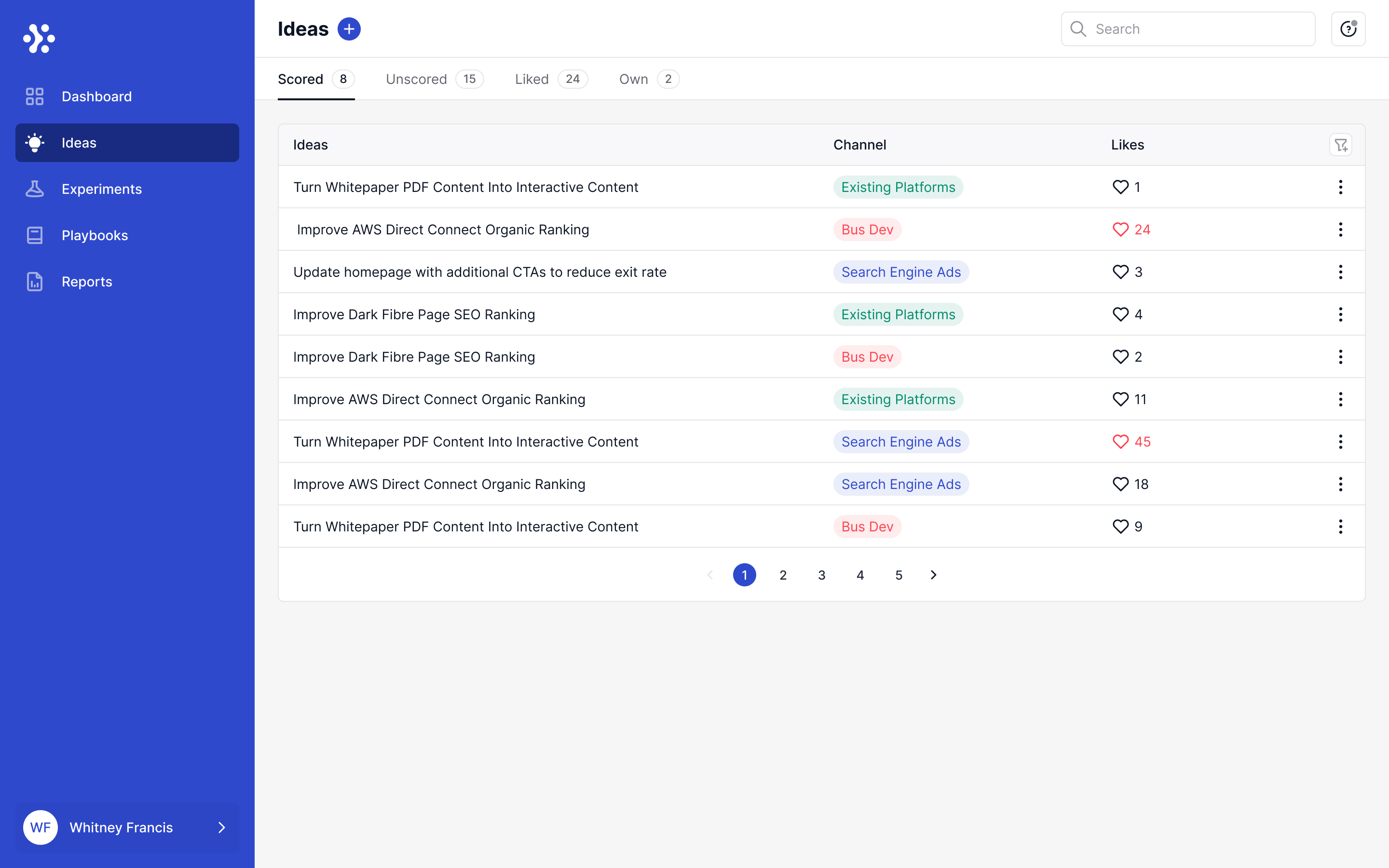
Get started to see it in action and start running your own AARRR-style campaigns.
Frequently asked questions
What does AARRR stand for?
AARRR stands for Acquisition, Activation, Retention, Referral, and Revenue - the five customer lifecycle metrics in Dave McClure’s Pirate Metrics framework.
Who created the AARRR framework?
Dave McClure, an investor and founder of the seed fund 500 Startups, created AARRR (also known as Pirate Metrics) in 2007 as a way for startups to structure their customer metrics.
What order do the AARRR stages go in?
The official order is Acquisition, Activation, Retention, Referral, Revenue - tracking a customer from first contact through to becoming a paying, repeat advocate.
Is AARRR the same as a marketing funnel?
No. AARRR is a set of five metric categories for measuring the customer lifecycle, not a linear funnel. It is often paired with growth loops, which model how referral and retention feed back into acquisition rather than ending the journey at a single conversion.